News

How Does an HTCC Leveling Machine Improve Production Efficiency?

2026-04-24 0 Leave me a message

Summary: The HTCC leveling machine is a vital component in modern ceramic and electronic manufacturing. It ensures uniform thickness, enhances surface quality, and reduces production defects. This article explores how HTCC leveling machines work, their applications, benefits, operational guidelines, maintenance tips, and answers frequently asked questions to help manufacturers optimize efficiency and quality.
HTCC Leveling Machine

Table of Contents


What is an HTCC Leveling Machine?

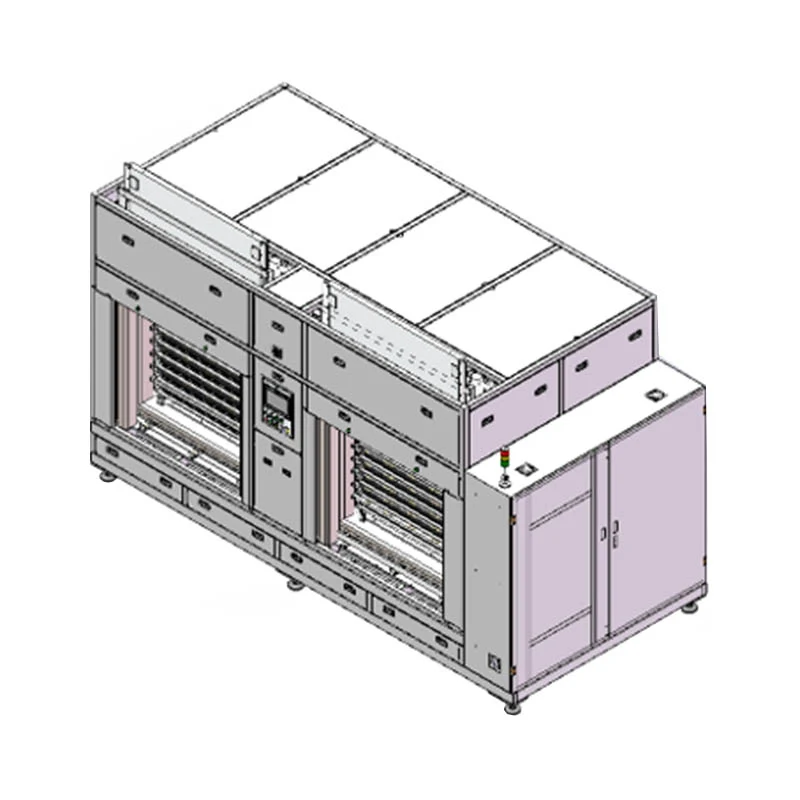
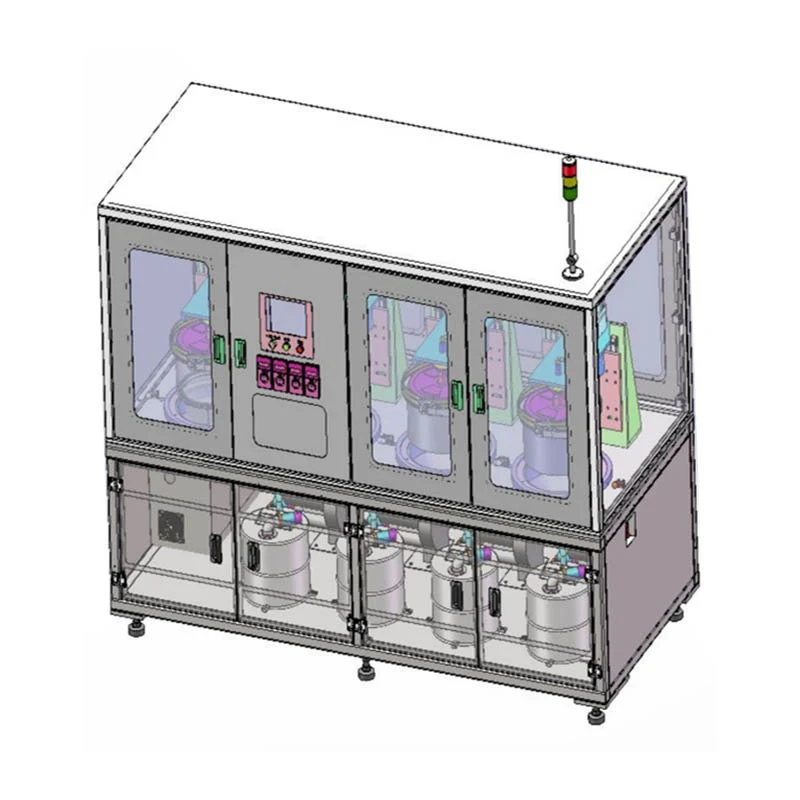
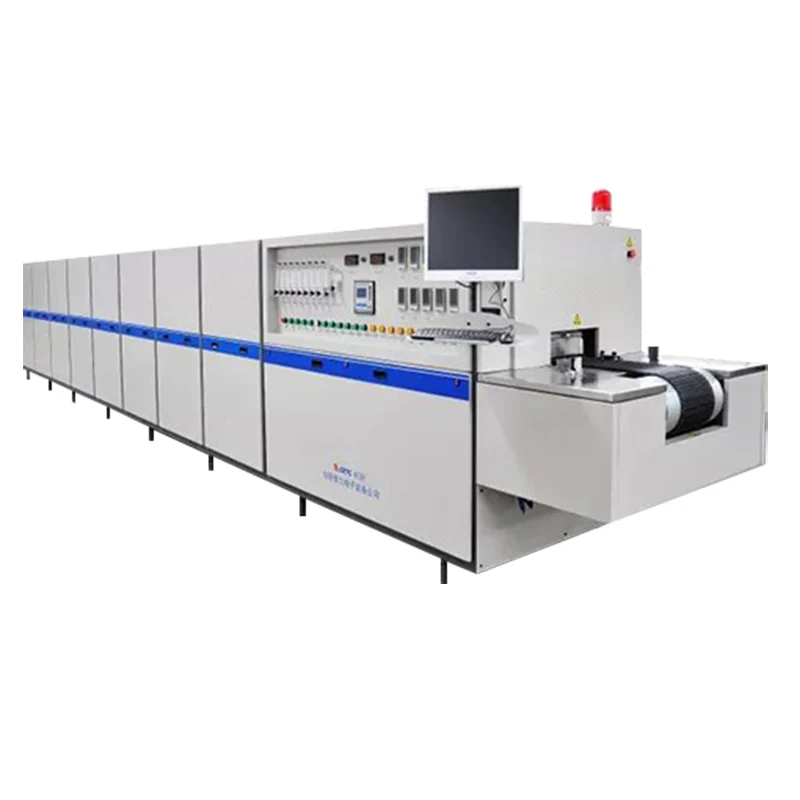
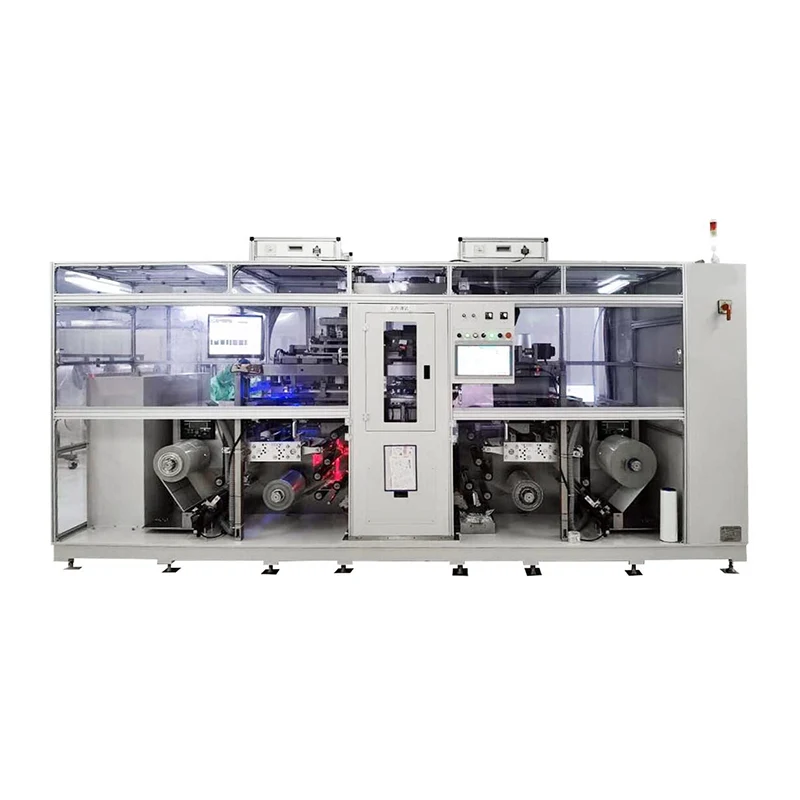
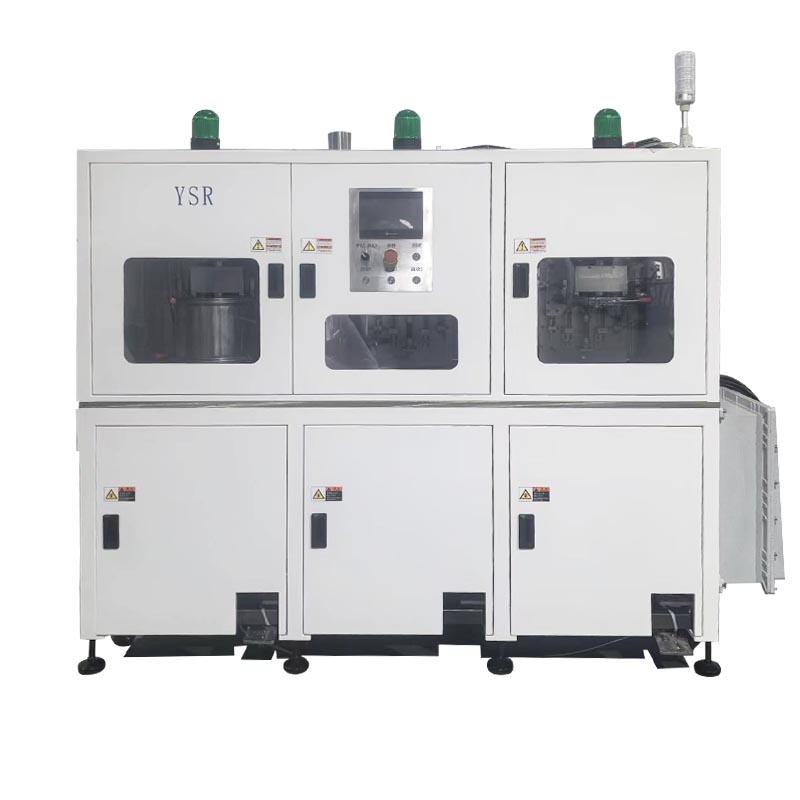
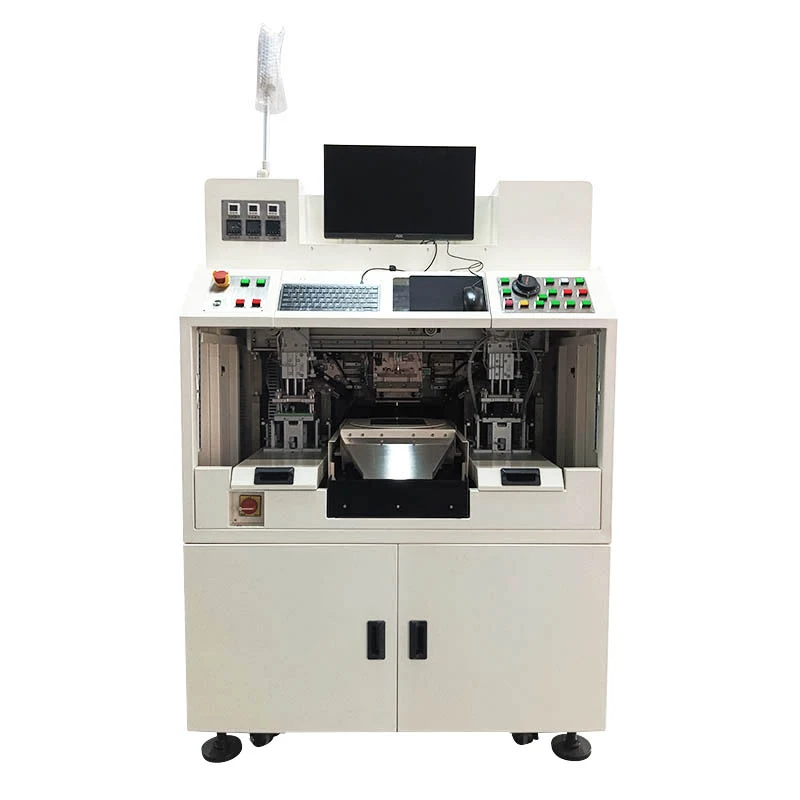
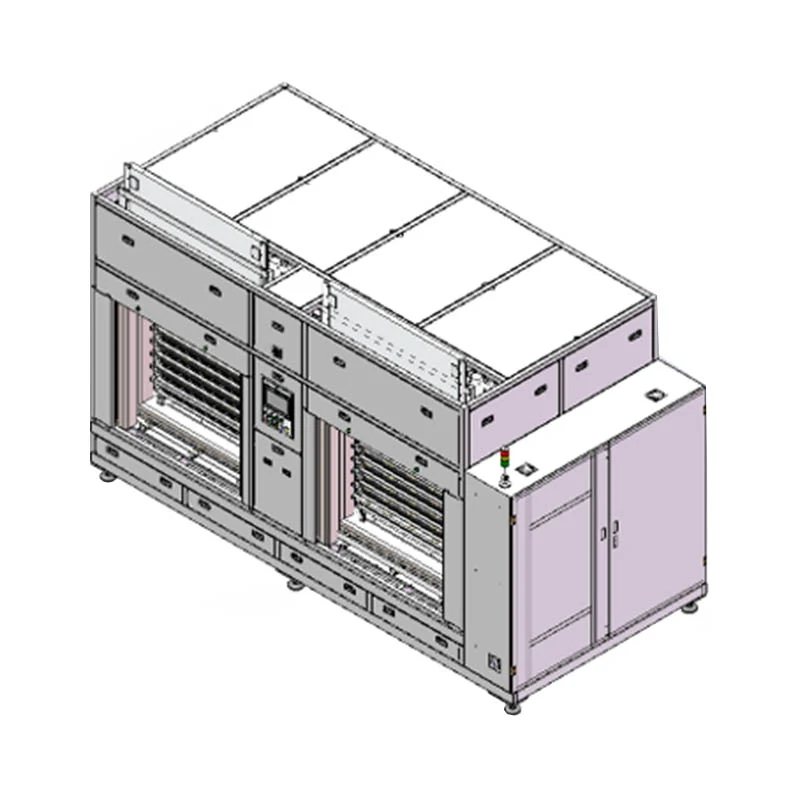
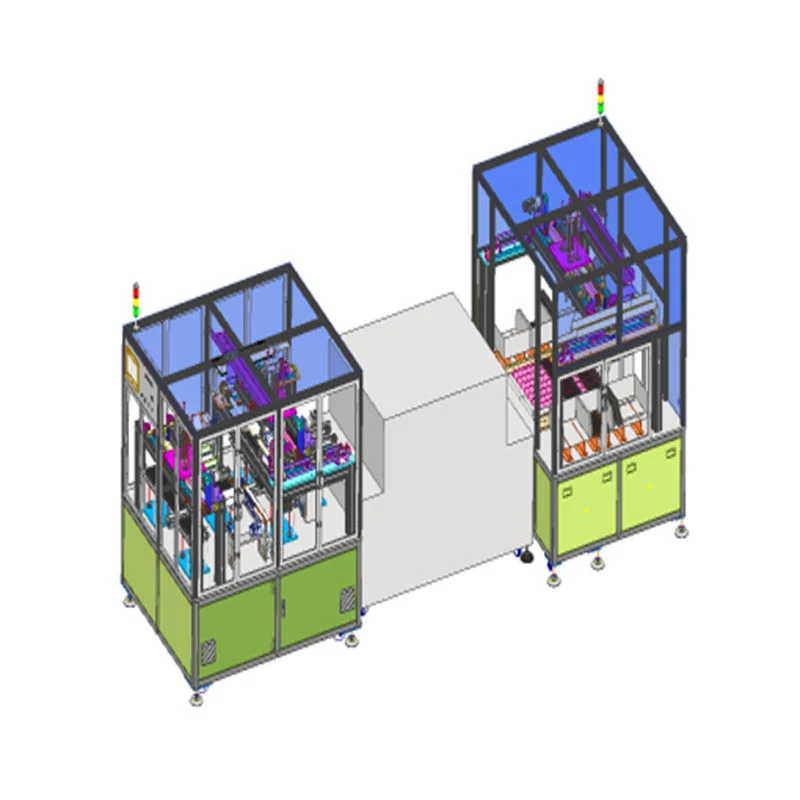
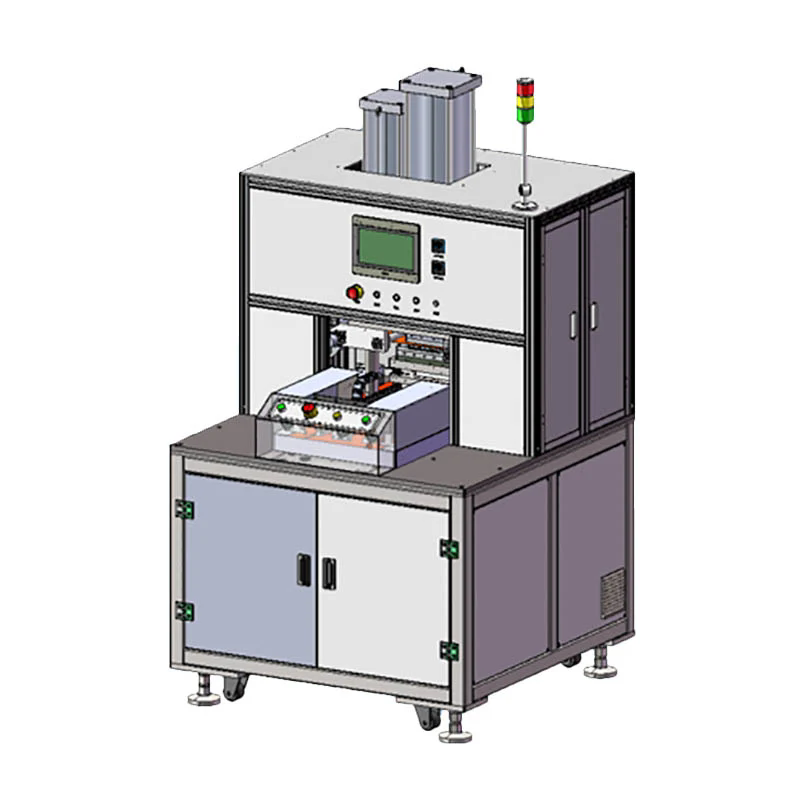
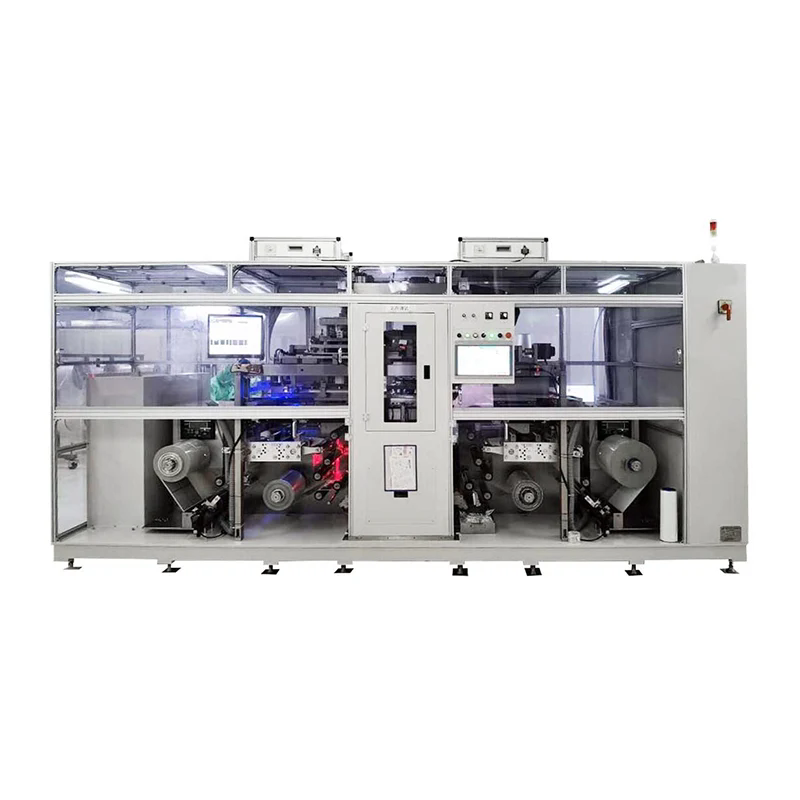
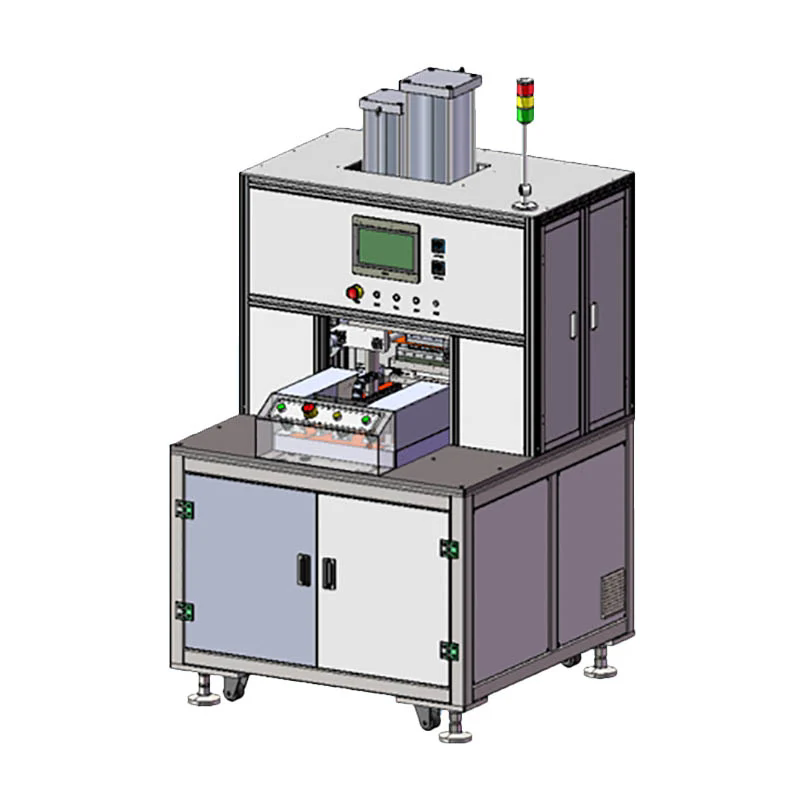
An HTCC (High-Temperature Co-Fired Ceramics) leveling machine is designed to flatten and uniformly compress ceramic green sheets before they undergo firing. These machines are crucial for electronic component manufacturing, particularly in multilayer ceramic substrates, to ensure dimensional stability and high precision.

  • Ensures uniform thickness across the ceramic sheet.
  • Reduces internal stresses during firing.
  • Minimizes defects like warping or uneven surfaces.

Modern HTCC leveling machines are often equipped with automated control systems, allowing manufacturers to achieve consistent quality with minimal human intervention.


How Does an HTCC Leveling Machine Work?

The HTCC leveling process involves precise mechanical and sometimes pneumatic systems to flatten green ceramic sheets. Here is a breakdown of the workflow:

  1. Sheet Feeding: Ceramic green sheets are loaded onto the conveyor system.
  2. Pre-Alignment: The sheets are aligned to ensure proper positioning for uniform leveling.
  3. Leveling Rollers: Specialized rollers apply pressure evenly across the sheet surface.
  4. Thickness Control: Sensors monitor sheet thickness in real time, adjusting roller pressure as needed.
  5. Output: Flattened sheets exit the machine, ready for further processing or firing.

The precision of the leveling machine directly impacts the quality of multilayer ceramic substrates, reducing waste and increasing production yield.


Key Benefits of HTCC Leveling Machines

Benefit Description
Uniform Sheet Thickness Ensures consistent product dimensions, reducing rework and material waste.
Improved Surface Quality Minimizes surface defects, resulting in higher-quality final products.
Enhanced Production Efficiency Automated operation reduces manual labor and speeds up production cycles.
Reduced Material Stress Prevents warping and cracking during firing by evenly distributing pressure.

Operating Guidelines for Optimal Performance

Proper operation of HTCC leveling machines is critical to maintain performance and extend machine lifespan. Follow these guidelines:

  • Ensure sheets are free of debris before feeding into the machine.
  • Calibrate rollers regularly to maintain accurate pressure distribution.
  • Monitor sensors and control systems for consistent performance.
  • Train operators to handle emergency stops and minor adjustments safely.
  • Use manufacturer-recommended lubricants and parts to reduce wear.

Maintenance Tips to Ensure Longevity

Regular maintenance keeps HTCC leveling machines running efficiently and reduces unexpected downtime. Consider the following:

  • Daily cleaning of rollers and conveyor belts.
  • Weekly inspection of pressure sensors and mechanical joints.
  • Monthly calibration of thickness measurement devices.
  • Replace worn parts promptly to prevent secondary damage.
  • Keep detailed maintenance logs for predictive servicing.

Applications in Various Industries

HTCC leveling machines are widely used in multiple manufacturing sectors:

  • Electronics: Flattening ceramic substrates for multilayer circuits.
  • Automotive: Producing high-precision sensors and electronic modules.
  • Aerospace: Manufacturing ceramic components that require dimensional stability.
  • Medical: Producing bioceramic parts with precise thickness control.

By applying HTCC leveling machines, manufacturers can achieve reliable, high-quality products across diverse sectors.


Frequently Asked Questions

  • Q1: What types of HTCC sheets can be processed?
    A1: HTCC leveling machines can handle various green sheet materials, including alumina, zirconia, and specialized ceramic blends.
  • Q2: How often should the machine be calibrated?
    A2: Calibration should be performed at least monthly, or more frequently for high-volume production environments.
  • Q3: Can the machine handle different sheet thicknesses?
    A3: Yes, modern machines offer adjustable rollers and automated sensors to accommodate multiple thicknesses without compromising quality.
  • Q4: Is operator training necessary?
    A4: Absolutely. Proper training ensures safe operation, optimal product quality, and longevity of the machine.

Contact YSR for More Information

If you want to enhance your production efficiency and product quality with an advanced HTCC leveling machine, contact YSR today. YSR provides expert guidance, professional support, and tailored solutions to meet your manufacturing needs.

Related News
Leave me a message
X
We use cookies to offer you a better browsing experience, analyze site traffic and personalize content. By using this site, you agree to our use of cookies. Privacy Policy
Reject Accept