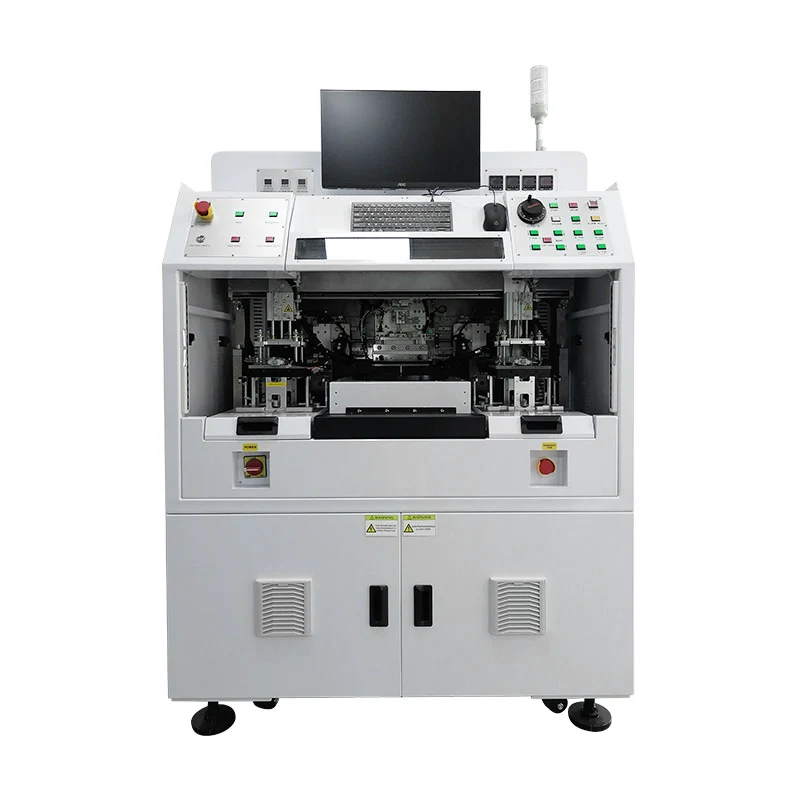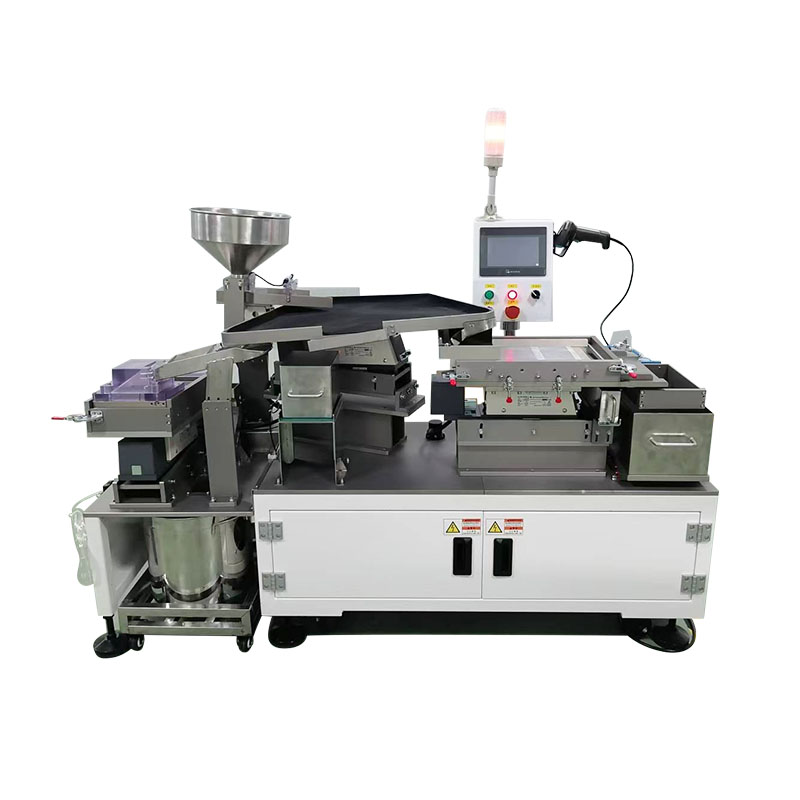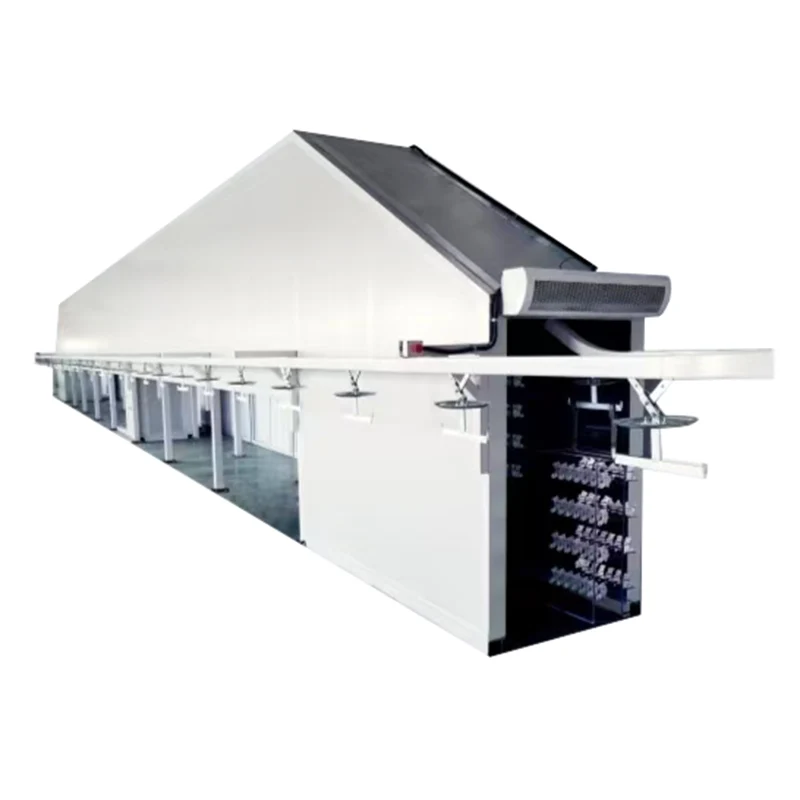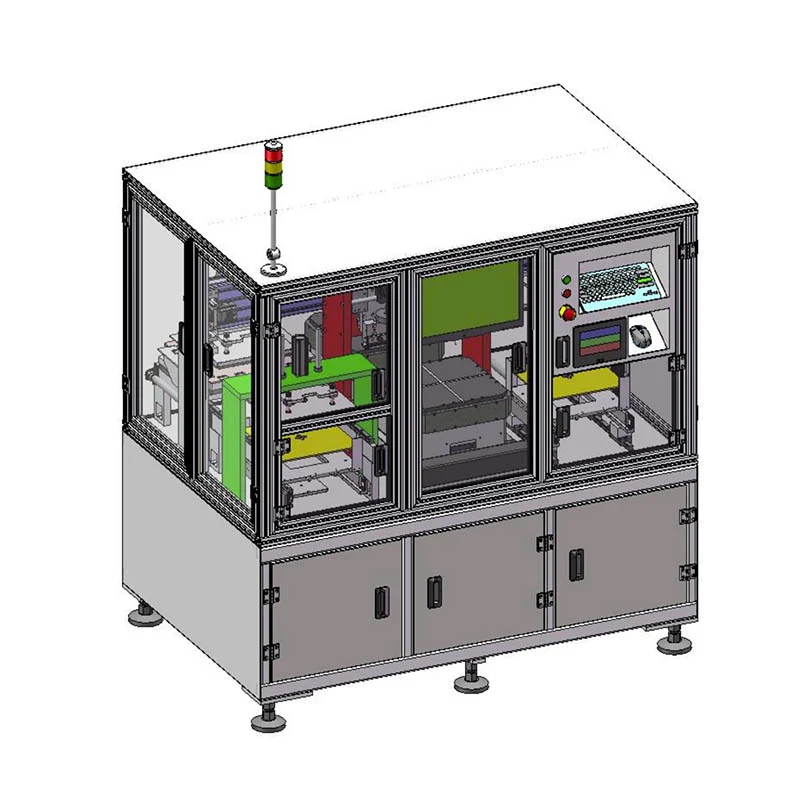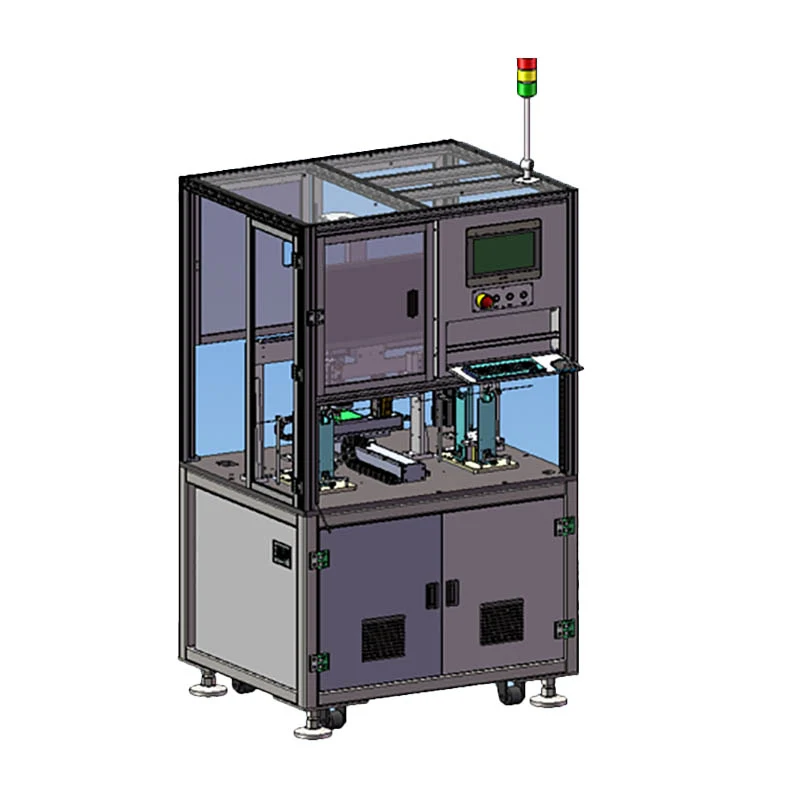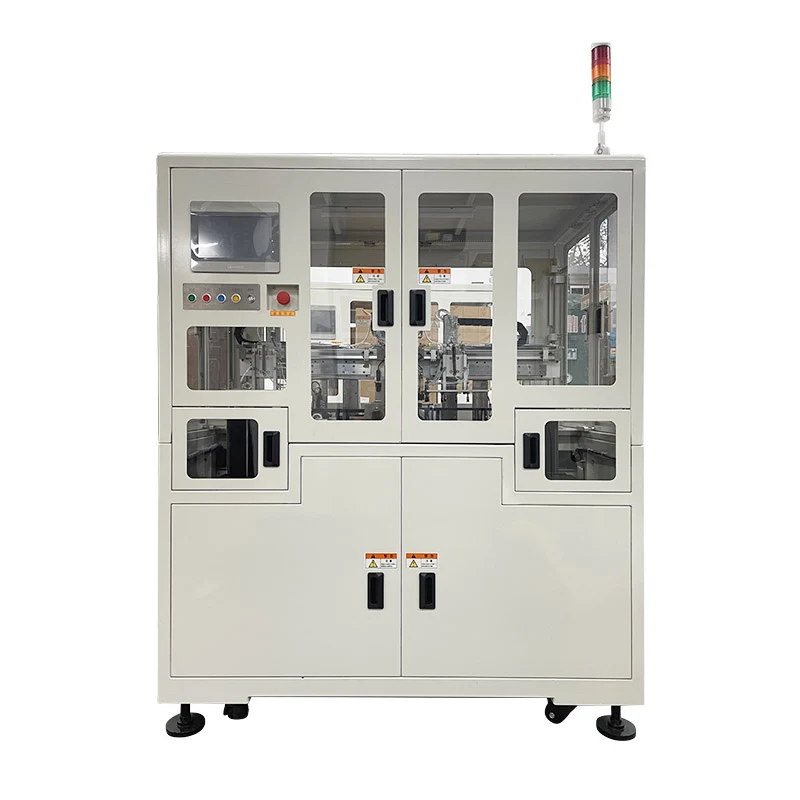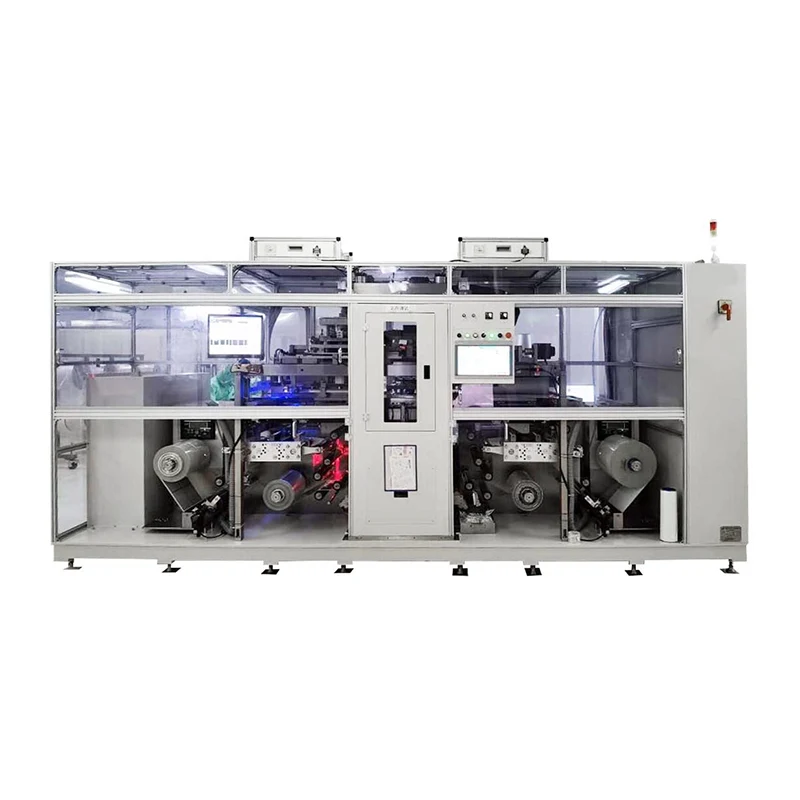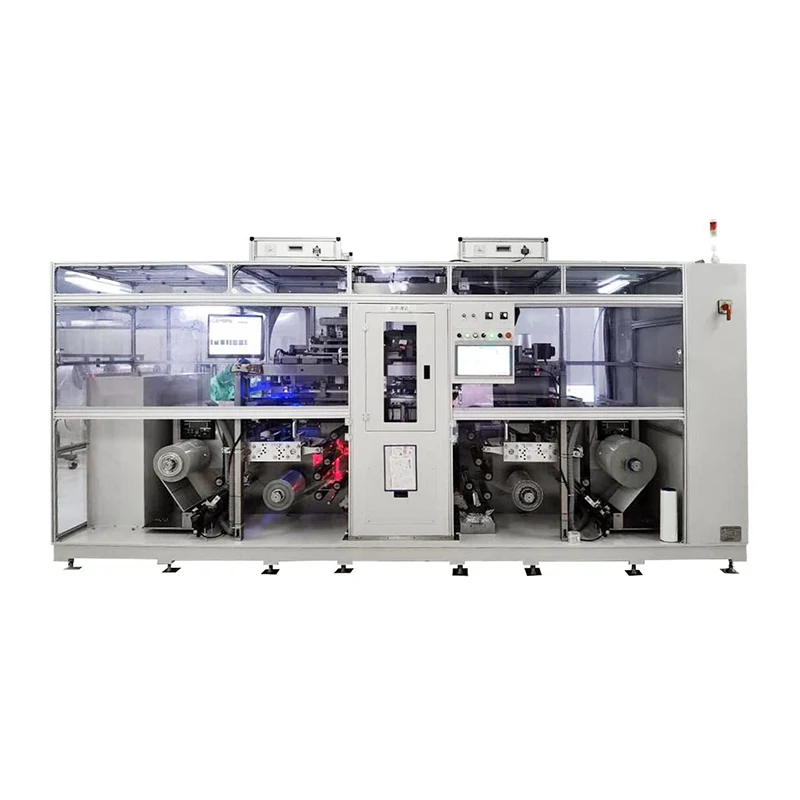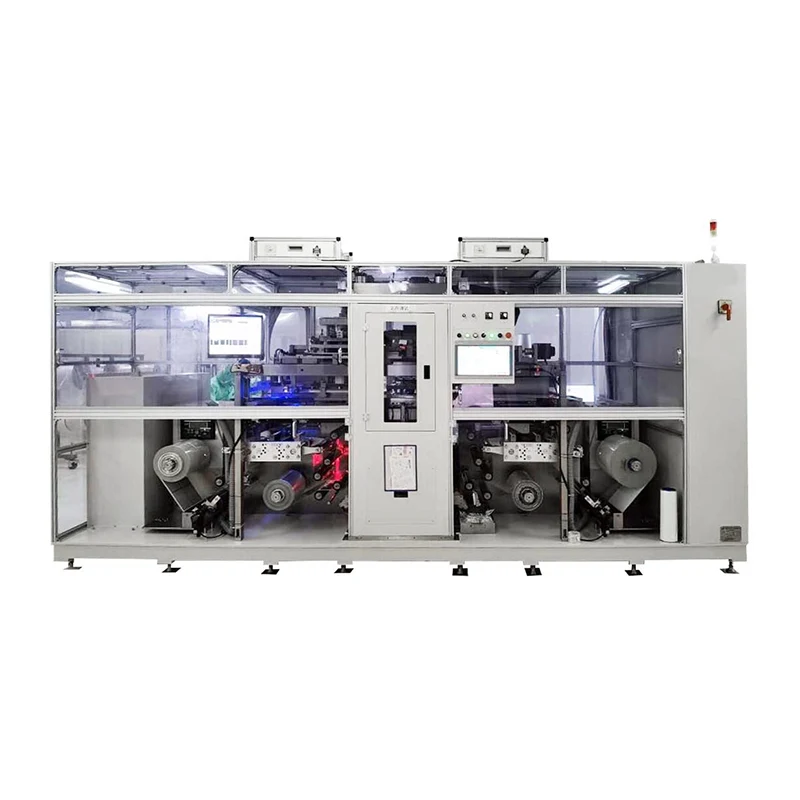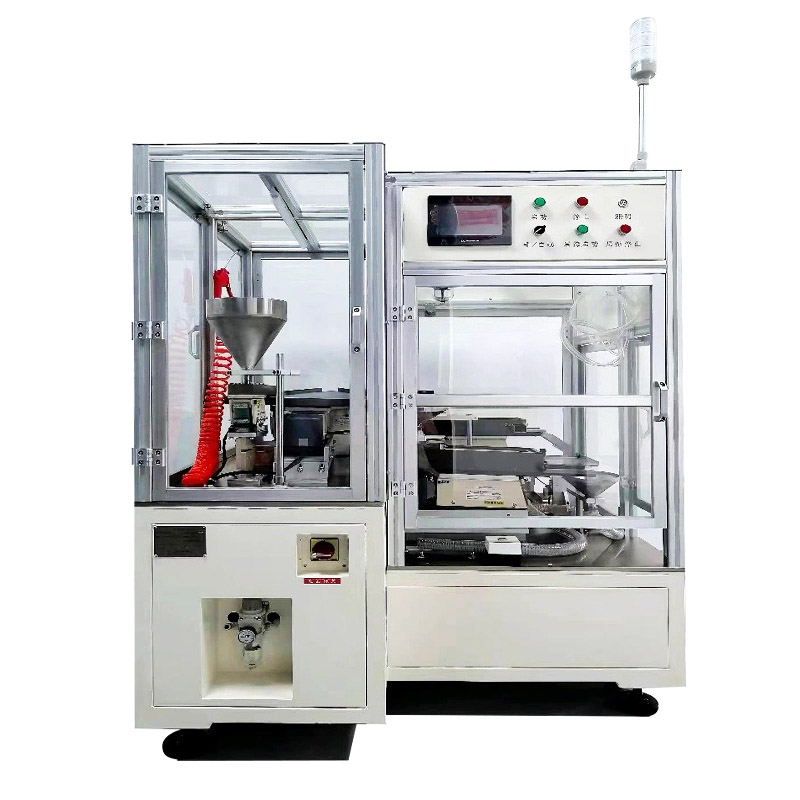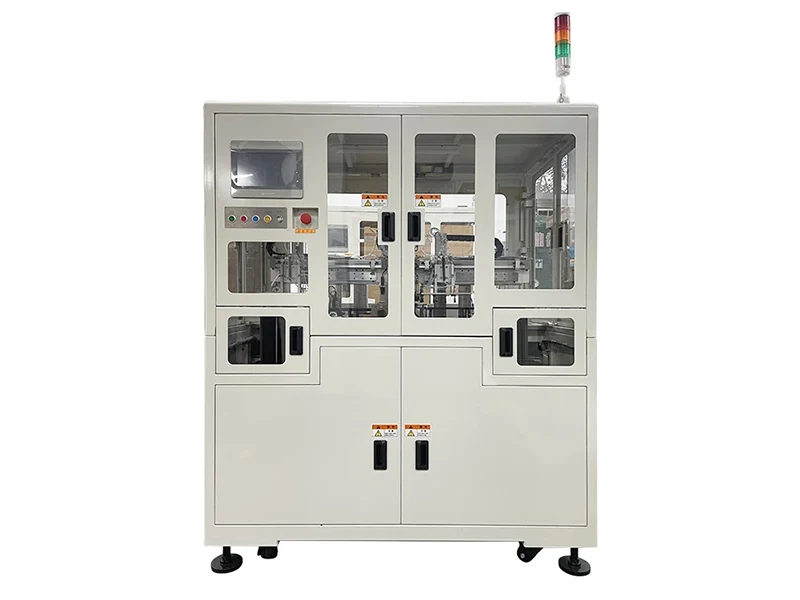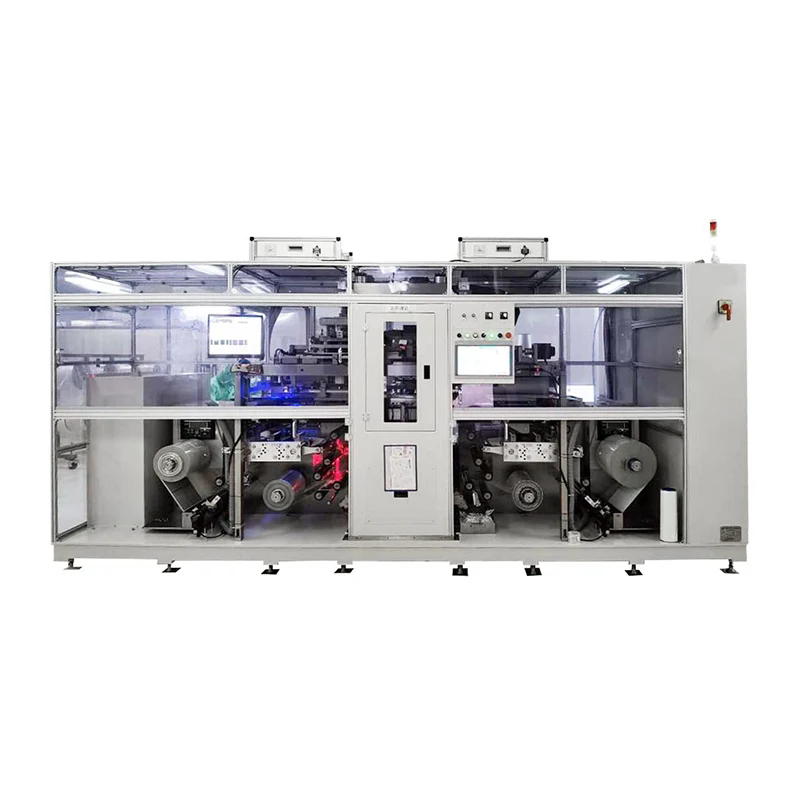
In today’s rapidly evolving electronics industry, precision and productivity are no longer optional—they are essential. Multilayer Ceramic Capacitors (MLCCs) are the backbone of modern electronic devices, from smartphones and automotive control systems to aerospace electronics and industrial automation. However, the stacking process in MLCC production has historically been a bottleneck due to its sensitivity, complexity, and requirement for micron-level alignment. An Automatic MLCC Stacking Machine fundamentally changes this landscape by delivering consistent layer alignment, high-speed operation, and reduced labor dependency. This article explores how advanced stacking automation solves production pain points, increases yield rates, and supports scalable manufacturing for global electronics suppliers.
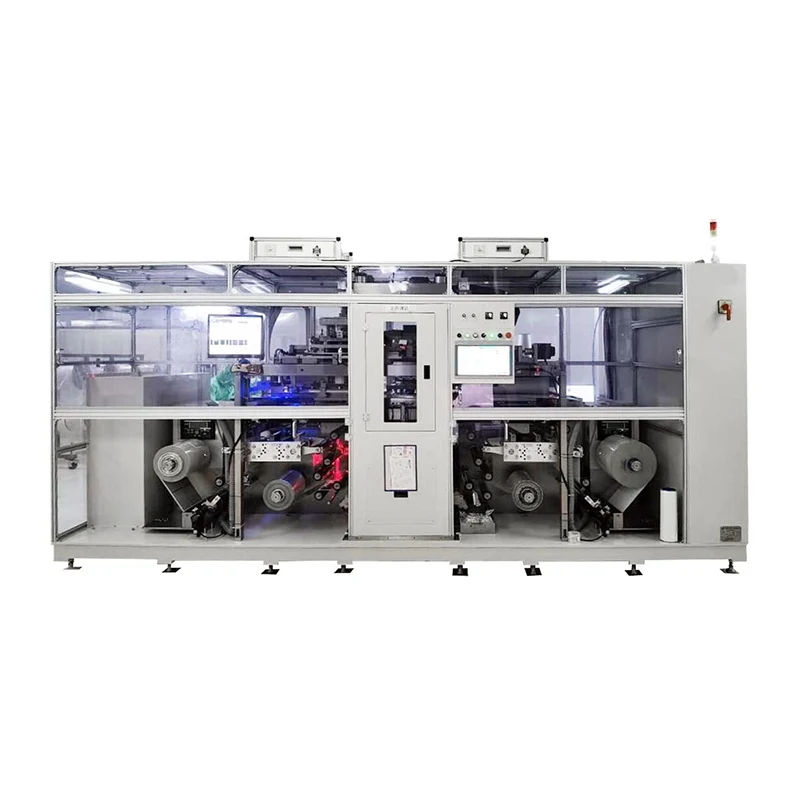
MLCC manufacturing involves casting ceramic dielectric layers, printing internal electrodes, cutting sheets into chips, stacking layers precisely, laminating, sintering, and finishing. Among these steps, stacking determines capacitor performance consistency.
Each MLCC may contain dozens to hundreds of thin dielectric layers—sometimes only a few microns thick. Misalignment at this stage leads to:
The stacking process demands micron-level positioning accuracy and stable pressure control. Manual or outdated systems struggle to maintain such precision at high volumes.
Electronics manufacturers consistently report the following operational challenges:
As component miniaturization continues, tolerance margins shrink. Traditional stacking methods become insufficient for advanced applications such as:
An Automatic MLCC Stacking Machine addresses these pain points directly through intelligent positioning systems and automated control algorithms.
The machine integrates multiple high-precision subsystems:
The operational flow typically includes:
Advanced systems from XIAMEN YISENRONG TECHNOLOGY CO.,LTD. incorporate intelligent compensation algorithms that adjust for sheet deformation and environmental variations.
| Parameter | Typical Specification | Impact on Production |
|---|---|---|
| Alignment Accuracy | ±1–3 μm | Ensures capacitance consistency |
| Stacking Speed | 2,000–6,000 layers/hour | Higher throughput |
| Vision Resolution | High-definition CCD | Improved defect detection |
| Pressure Control | Programmable precision control | Prevents layer damage |
| Automation Level | Fully automatic with HMI | Reduced labor cost |
Such specifications directly influence yield rates and overall equipment effectiveness.
| Type | Precision | Speed | Labor Requirement | Best For |
|---|---|---|---|---|
| Manual | Low | Slow | High | Small-scale production |
| Semi-Automatic | Medium | Moderate | Medium | Mid-size factories |
| Fully Automatic | Ultra High | Fast | Low | Mass production |
Fully automatic systems provide consistent quality and scalability. Companies aiming for global supply chain competitiveness increasingly transition toward automation.
Yield improvement is the most critical financial factor. Even a 1% yield increase can significantly impact profit margins in high-volume MLCC production.
Manufacturers working with XIAMEN YISENRONG TECHNOLOGY CO.,LTD. report measurable reductions in scrap rates and stable batch consistency.
Modern MLCC factories are moving toward intelligent manufacturing environments. Automatic stacking machines can integrate with:
This integration allows:
Choosing the right partner is as important as selecting the right machine.
Key evaluation criteria:
XIAMEN YISENRONG TECHNOLOGY CO.,LTD. combines advanced R&D capabilities with practical manufacturing experience, delivering tailored solutions for different production scales.
XIAMEN YISENRONG TECHNOLOGY CO.,LTD. specializes in precision automation equipment for electronic component manufacturing. Their Automatic MLCC Stacking Machine offers:
By focusing on innovation and reliability, XIAMEN YISENRONG TECHNOLOGY CO.,LTD. supports manufacturers in achieving consistent product quality and long-term operational stability.
Q1: What layer thickness can an Automatic MLCC Stacking Machine handle?
It can handle ultra-thin dielectric sheets down to a few microns, depending on configuration.
Q2: How much does automation improve productivity?
Fully automatic systems can increase output by 30–70% compared to manual operations.
Q3: Is training required?
Yes, but modern HMI systems simplify operation. Suppliers like XIAMEN YISENRONG TECHNOLOGY CO.,LTD. provide professional training.
Q4: Can the machine integrate with existing lines?
Yes. Custom interface options allow seamless integration.
Q5: What is the typical ROI period?
Depending on production volume, ROI can often be achieved within 12–24 months.
An Automatic MLCC Stacking Machine is not just an equipment upgrade—it is a strategic investment in precision, efficiency, and scalability. As global demand for high-performance capacitors continues to rise, manufacturers must eliminate bottlenecks and reduce variability in critical production stages. Advanced automation from XIAMEN YISENRONG TECHNOLOGY CO.,LTD. empowers factories to achieve higher yield, lower labor costs, and consistent product reliability.
Contact us today to discover how XIAMEN YISENRONG TECHNOLOGY CO.,LTD. can provide a customized Automatic MLCC Stacking Machine solution tailored to your manufacturing needs.